June 9, 2026
Choosing the right system for your home is only the first step in ensuring a comfortable indoor environment. Many homeowners assume that a brand-new unit will automatically deliver peak efficiency and perfect temperatures without any further effort. However, the reality of indoor climate control is much more complex. A system does not operate in a vacuum, and its daily efficiency depends heavily on a massive web of external variables. Understanding these hidden influences can help you maximize your investment and avoid unexpected breakdowns during extreme weather. Turning to professional guidance from local HVAC companies is often the best way to evaluate how these various elements are interacting within your specific living space.
1. Assessing the Local Climate and Weather Extremes
The outdoor climate plays a massive role in how hard your heating and cooling equipment has to work. When summer temperatures spike or winter blizzards arrive, your system must run longer cycles to maintain your desired indoor temperature. Continuous operation under extreme conditions accelerates wear and tear on vital components like compressors and fan motors. Areas with high humidity levels force air conditioners to expend extra energy removing moisture from the air before they can effectively lower the temperature. This constant battle against nature means that identical systems will perform entirely differently depending on the geographic region where they are installed.
To mitigate the effects of harsh weather, homeowners should rely on the expertise of regional professionals. Experienced technicians understand the specific challenges posed by regional weather patterns and can calibrate your equipment accordingly. They can adjust airflow settings, verify refrigerant charges for peak summer performance, and ensure that heating elements are ready for sudden freezes. Working with local HVAC companies ensures that your system receives the specialized care necessary to survive the local climate. Routine seasonal tune-ups ahead of severe weather shifts will prevent sudden system failures when you need your climate control the most.
2. Evaluating Home Insulation and Structural Air Leaks
The structural integrity and insulation quality of your home act as the primary barrier between your living space and the outdoor elements. High-quality insulation in the attic, walls, and crawlspaces slows down the transfer of heat, keeping warm air inside during the winter and outside during the summer. When a house lacks proper insulation, the climate control system must run constantly to replace the conditioned air that is escaping through the structure. This structural deficiency leads to uneven temperatures between different rooms and places a heavy burden on the mechanical components.
Air leaks around windows, doors, and utility penetrations further degrade system performance by introducing unconditioned outdoor air. This drafty environment forces the equipment to cycle on and off more frequently, which wastes energy and increases component wear. Sealing these gaps and upgrading insulation can instantly reduce the workload on your heating and cooling units. Certified technicians from local HVAC companies can perform energy audits to identify major thermal weak points throughout your property. Addressing these structural flaws allows your equipment to reach its target temperatures quickly and maintain them with minimal effort.
3. Selecting the Right Equipment Size and Capacity
Acquiring a system that matches the specific physical dimensions and layout of your property is vital for long-term performance. Some property owners mistakenly believe that a larger unit will always provide better cooling or heating power. In reality, an oversized system will satisfy the thermostat too quickly, resulting in a damaging cycle known as short-cycling. This rapid turning on and off prevents the system from completing a full cycle, which ruins efficiency and leaves excessive humidity trapped inside the living spaces. Over time, short-cycling causes premature compressor failure and spikes utility bills.
Conversely, a system that is too small for the property will struggle constantly to meet the thermostat demands. The unit will run continuously without ever reaching the desired temperature, leading to overheating and accelerated component degradation. Finding the perfect balance requires a detailed load calculation that considers square footage, window placement, and ceiling height. Consulting with local HVAC companies during the selection process ensures that you install a system perfectly tailored to your structural footprint. According to HomeGuide, minimum seasonal energy efficiency ratio ratings for HVAC systems range from 13 to 26, depending on the brand and model.
4. Managing Routine System Maintenance and Filter Changes
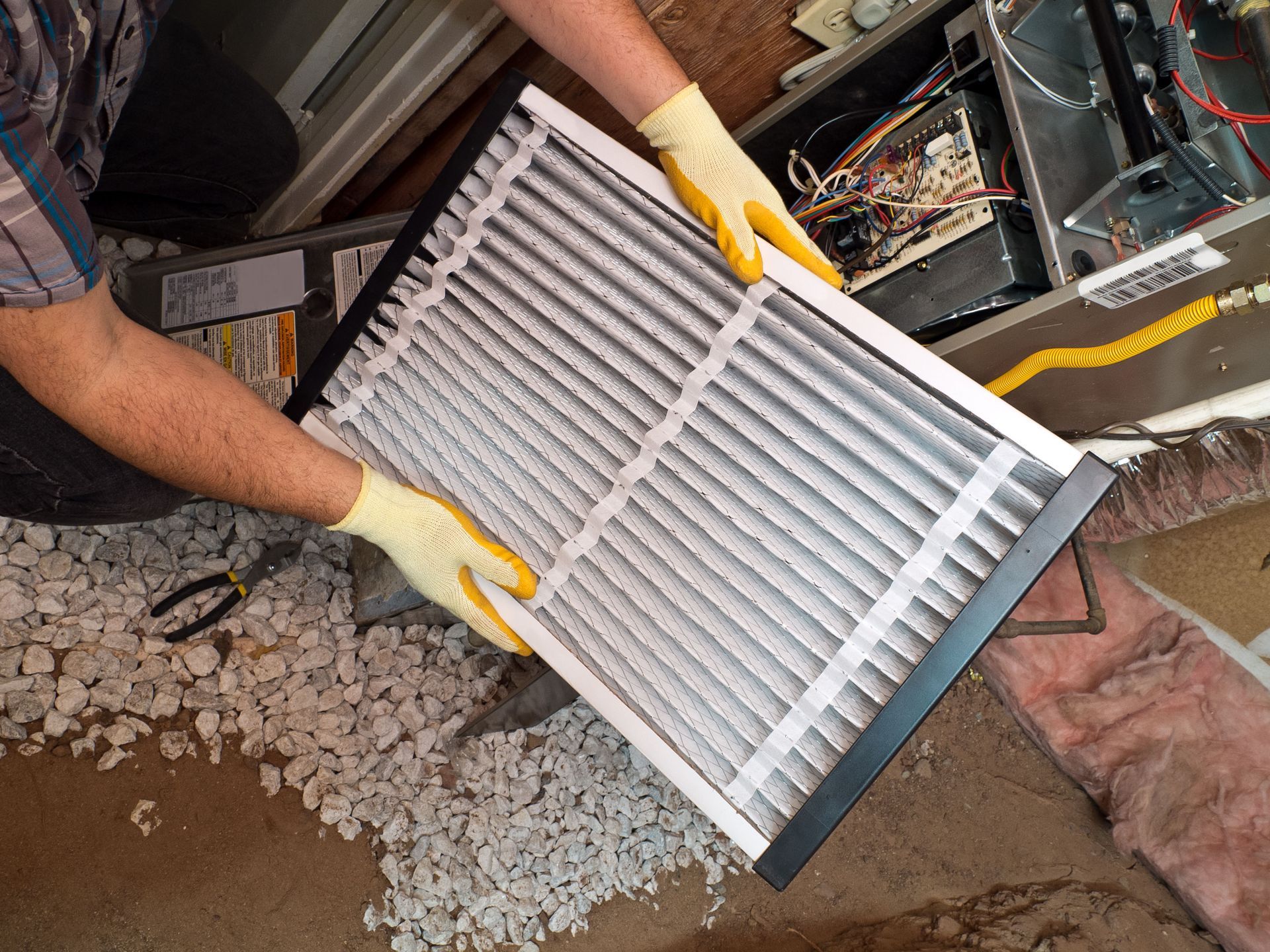
Neglecting basic upkeep is one of the most common reasons for a sudden drop in climate control efficiency. Air filters accumulate dust, pet dander, and airborne debris over time, which eventually restricts the airflow entering the system. When airflow is choked, the blower motor must work significantly harder to circulate air, leading to increased energy consumption and potential system overheating. Restricted airflow can also cause the cooling coils to freeze over, completely halting the cooling process and potentially causing severe water damage as the ice melts.
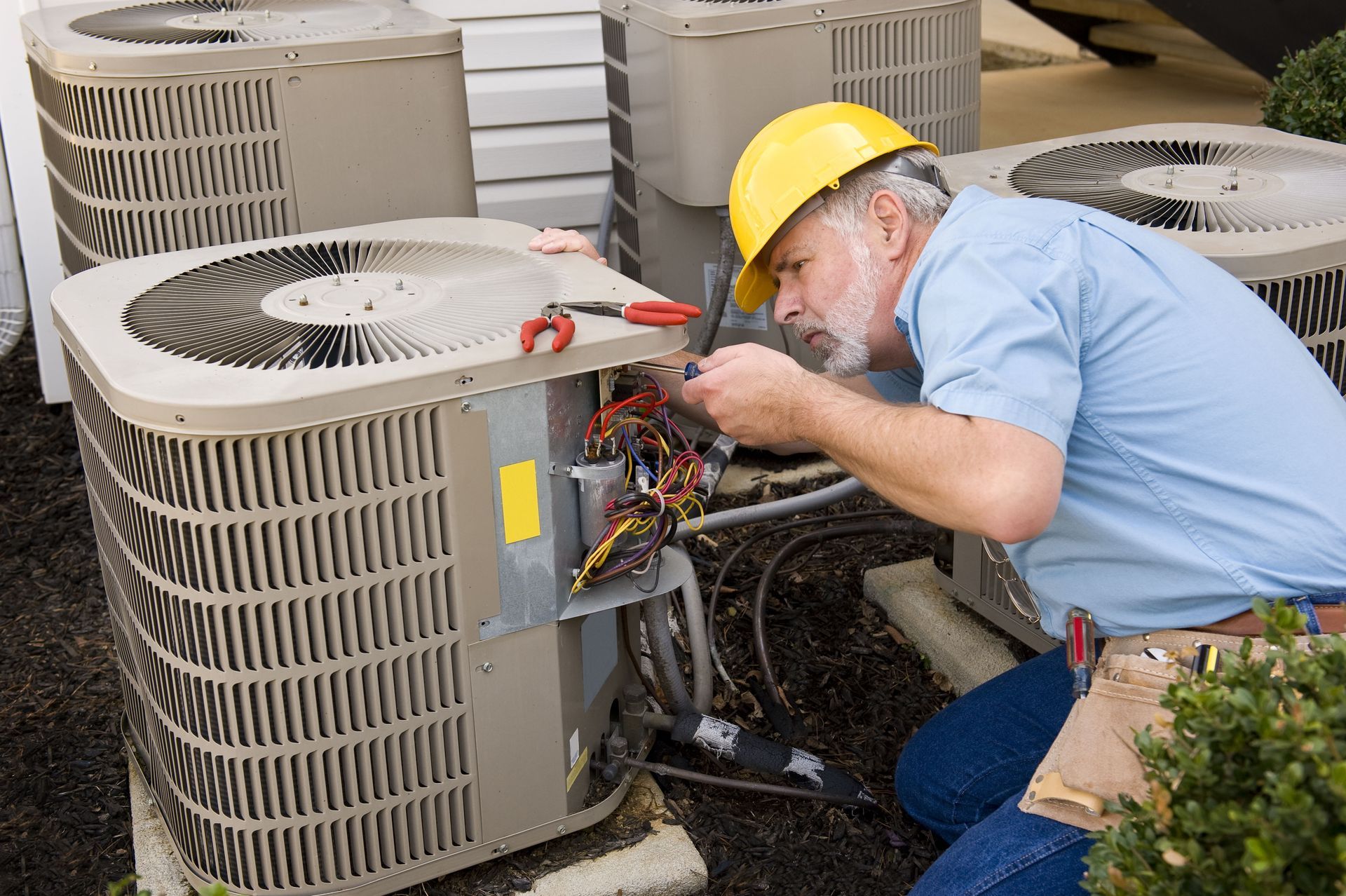
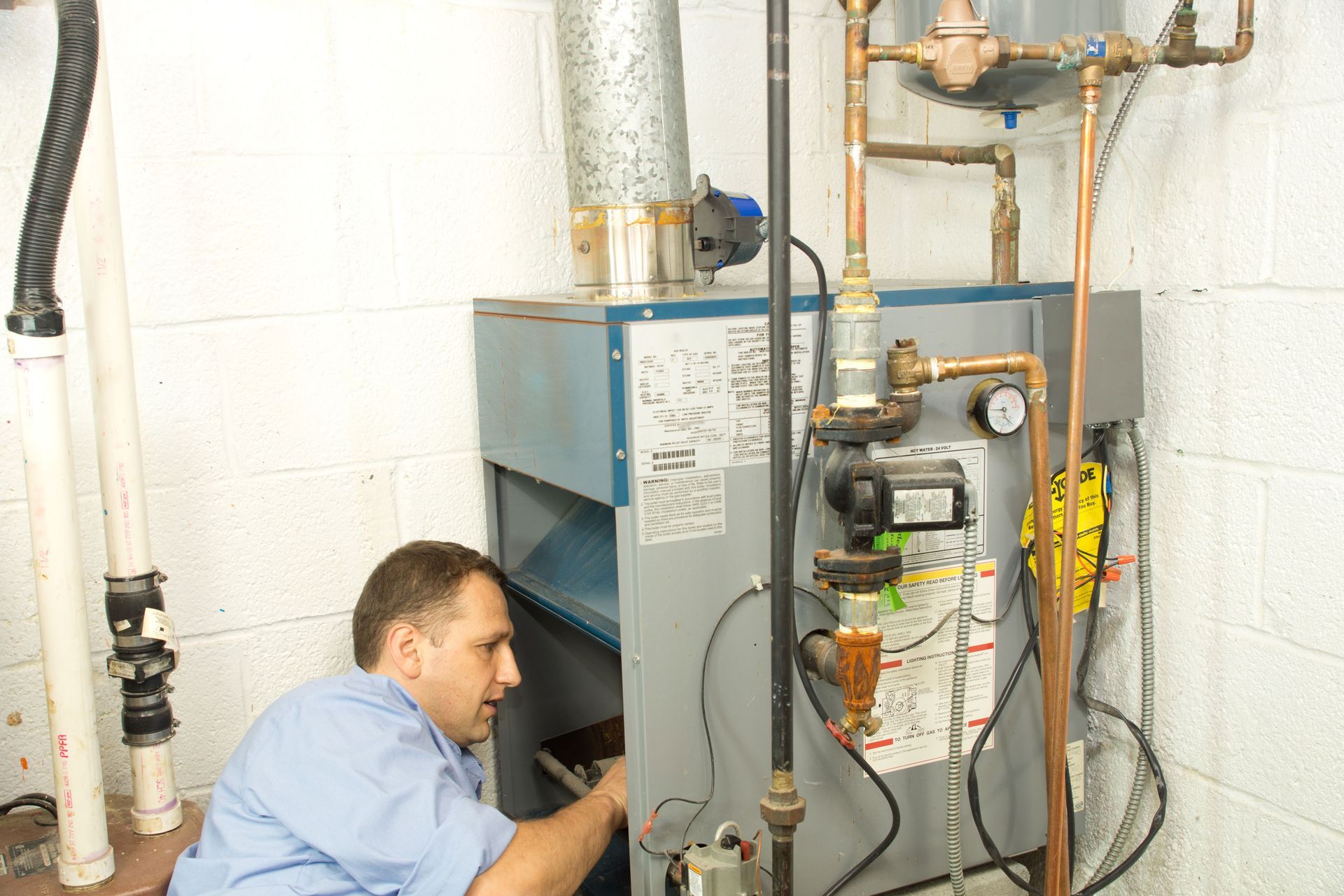
Beyond simple filter replacements, the internal components require regular cleaning and calibration to function safely. Dirt accumulation on the outdoor condenser coils prevents heat from escaping, forcing the compressor to operate at dangerously high pressures. Mechanical parts need proper lubrication to reduce friction, and electrical connections must be tightened to prevent short circuits. Scheduling annual maintenance visits with local HVAC companies keeps these hidden components in pristine condition. Regular professional attention preserves system efficiency, protects your warranty, and extends the overall operational lifespan of the machinery.
5. Examining the Layout and Integrity of Ductwork
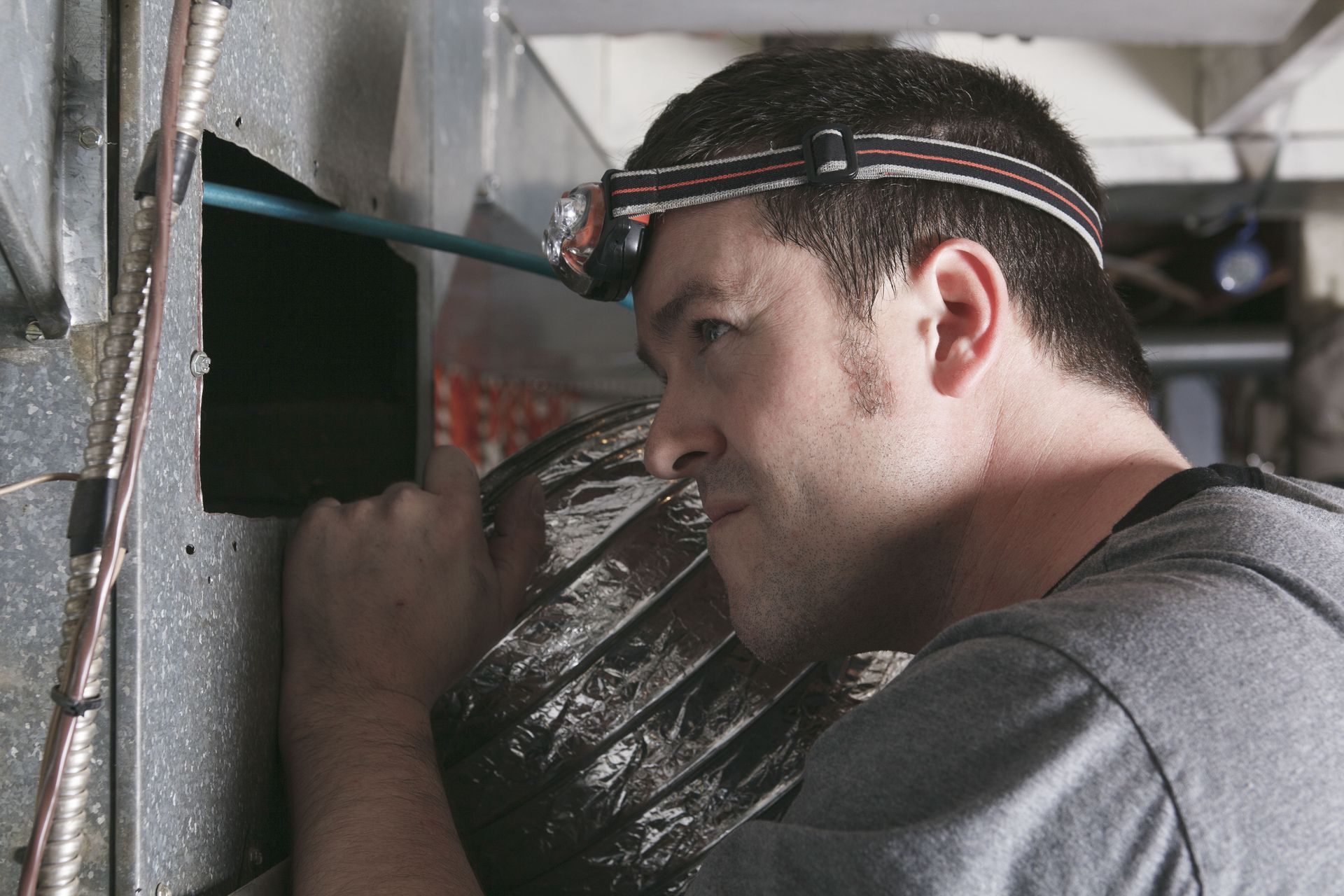
The network of ducts hidden behind your walls and ceilings serves as the circulatory system for your indoor climate control. If the ductwork is poorly designed, improperly sized, or physically damaged, the performance of the entire system suffers. Snagged flexible ducts or crushed metal sections restrict airflow, preventing conditioned air from reaching the furthest rooms in the house. This restriction creates uncomfortable hot or cold spots and forces the main unit to work harder to compensate for the poor distribution.
Physical leaks in the duct joints allow conditioned air to escape into unconditioned spaces like attics or crawlspaces, essentially wasting money on air that never reaches the living areas. These gaps can also pull dirty air, insulation fibers, and moisture from the attic directly into your breathing air, severely lowering indoor air quality. Sealing duct seams with professional materials and ensuring proper insulation around the pipes can dramatically boost airflow efficiency. Technicians from qualified local HVAC companies can inspect your duct network, seal hidden leaks, and restore balanced airflow throughout the entire property.
6. Programming the Thermostat and Controlling Settings
The thermostat acts as the brain of your climate control system, directing when and how long the units should operate. Using an outdated manual thermostat often leads to energy waste, as residents frequently forget to adjust the settings before leaving for work or going to sleep. Leaving the system running at full capacity when the house is empty puts unnecessary mileage on the mechanical parts and inflates monthly energy bills. Upgrading to a programmable or smart thermostat allows for automated temperature schedules that match your daily routine.
Improper placement of the thermostat can also trigger poor performance throughout the home. If the sensor is installed near a drafty window, in direct sunlight, or close to heat-producing appliances, it will register inaccurate temperature readings. This causes the system to run at inappropriate times, overcooling or overheating the actual living spaces. Relying on local HVAC companies to properly position and calibrate your thermostat ensures that the control system communicates accurately with the heating and cooling units.
Achieving consistent comfort and high efficiency requires looking at the big picture rather than just the mechanical unit itself. Every factor, from the tightness of your home insulation to the precision of your thermostat settings, directly influences how well your system performs over time. Ignoring these variables leads to higher utility bills, frequent repairs, and a shorter lifespan for your equipment. By partnering with experienced professionals, you can identify hidden inefficiencies and optimize every aspect of your home environment. To ensure your system is running at peak performance, contact Pence Heating and Cooling to schedule a comprehensive evaluation today.