April 27, 2026
Energy efficiency has become a major priority for many homeowners who want to manage utility costs, improve comfort, and make better use of the systems already in place. Heating and cooling affect daily life in every season, and even small inefficiencies can lead to higher monthly bills and uneven indoor temperatures. When a system works harder than necessary, it not only uses more energy but may also experience more wear over time. That is why many homeowners start looking more closely at how their HVAC setup affects both comfort and long-term operating costs.
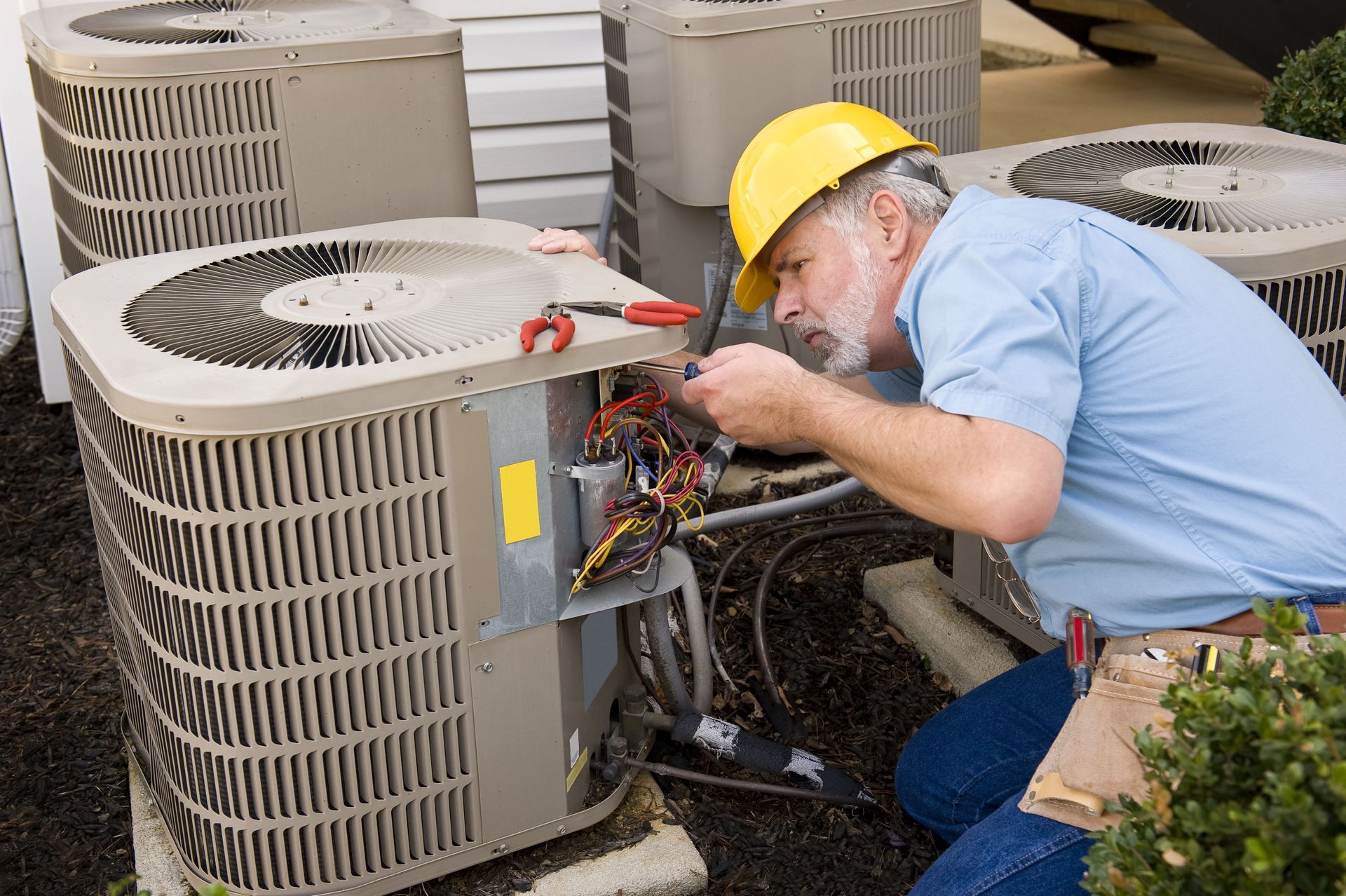
Professional support can make a significant difference in this area. HVAC companies do more than repair broken systems or replace aging units. They can also help homeowners identify performance issues, improve airflow, recommend equipment upgrades, and keep systems operating more efficiently throughout the year. With the right guidance, homeowners can make changes that reduce wasted energy and create a more dependable indoor environment. Understanding how these services support efficiency can help homeowners make more informed decisions about both immediate improvements and long-term system planning.
Evaluating System Performance and Efficiency
One of the first steps in improving energy efficiency is understanding how well the current HVAC system is actually performing. A system may still turn on and off as expected while quietly operating below its full potential. Reduced airflow, uneven heating or cooling, dirty coils, clogged filters, refrigerant issues, and aging components can all affect performance without causing a complete breakdown. When those problems go unnoticed, the system often uses more energy to produce less consistent results throughout the home.
That is where HVAC companies can provide real value. A professional evaluation can reveal inefficiencies that homeowners may not recognize on their own, especially when the system seems functional at a glance. By inspecting key components, measuring performance, and identifying areas of strain, technicians can help homeowners understand what is reducing efficiency and what steps may improve it. This kind of assessment can create a stronger starting point for energy-saving decisions and help avoid spending money on the wrong solution.
Improving Airflow Throughout the Home
Airflow plays a central role in how efficiently a heating and cooling system operates. If conditioned air cannot move properly through the home, the system has to work harder to maintain the desired temperature. Blocked vents, leaky ductwork, poorly balanced rooms, and restricted return airflow can all create uneven temperatures and longer run times. As a result, homeowners may notice hot and cold spots, inconsistent comfort, and rising energy bills without immediately understanding the cause.
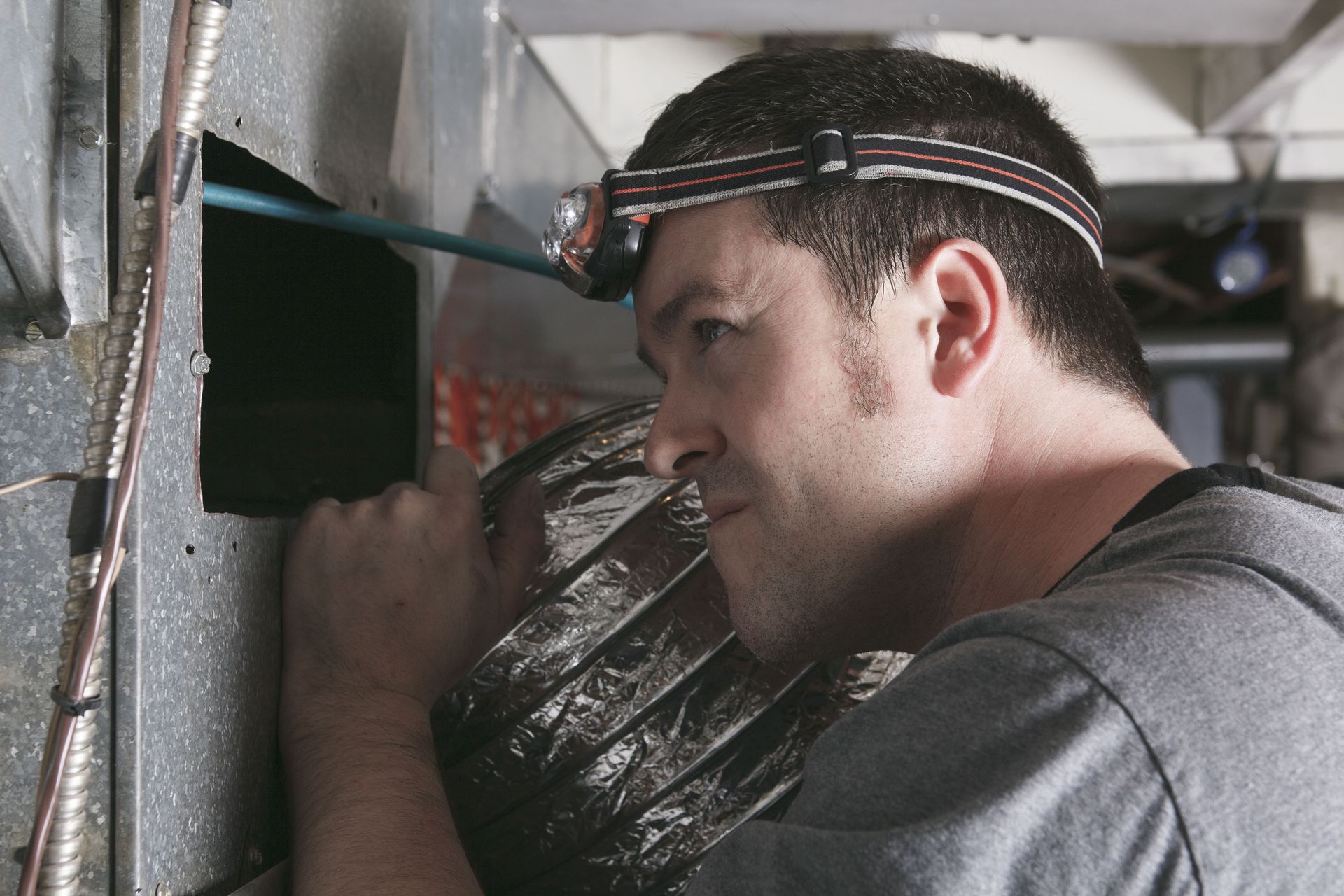
HVAC companies often help address those issues by evaluating duct performance, vent placement, and circulation throughout the home. In some cases, improvements may involve sealing ducts, adjusting airflow, cleaning components, or correcting imbalances that limit system efficiency. These changes can help conditioned air reach the spaces where it is needed more effectively. When airflow improves, the system may cycle more normally, maintain comfort more consistently, and use energy in a more efficient way over time.
Maintaining Equipment for Better Results
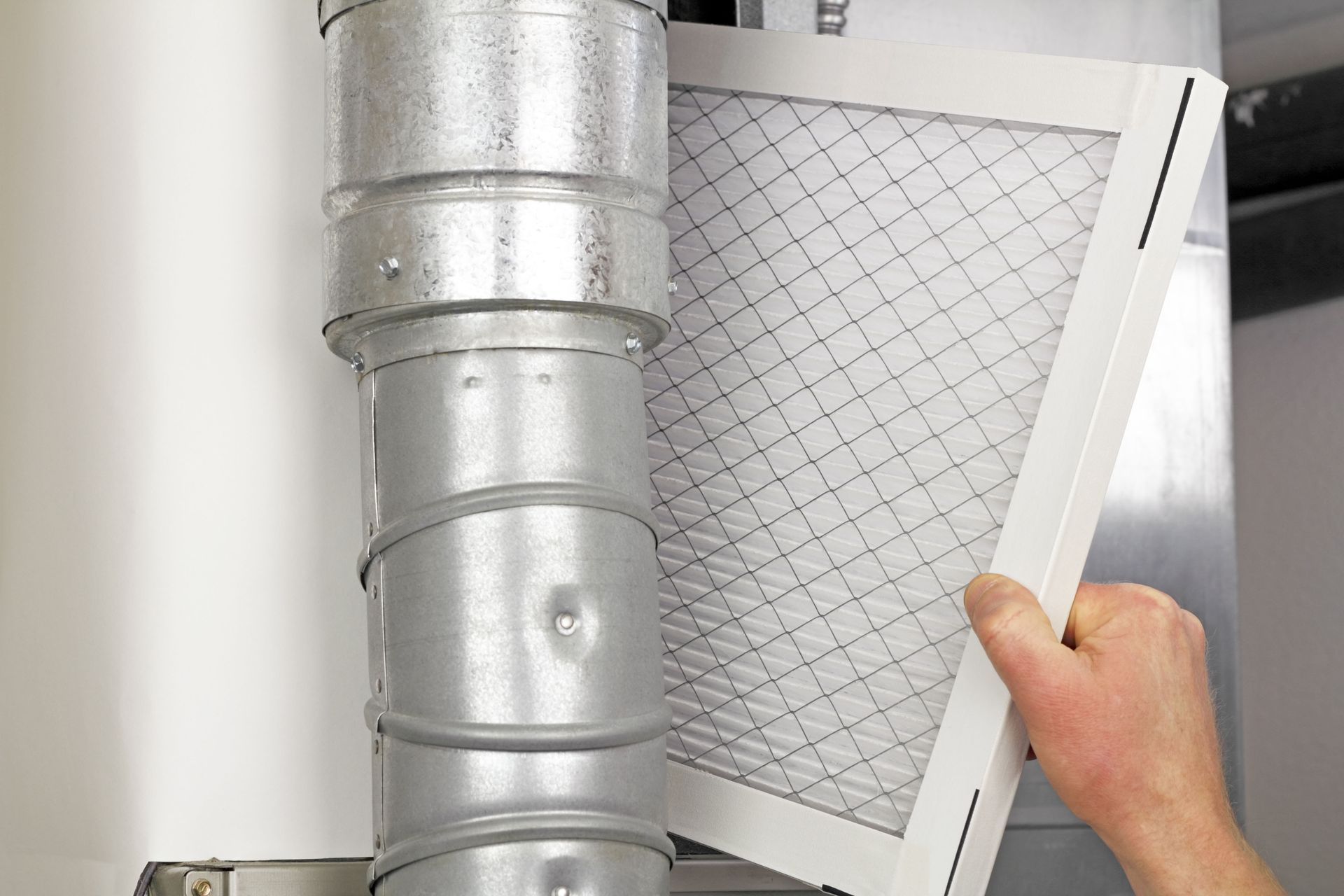
Routine maintenance is one of the most practical ways to support energy efficiency. Even a high-quality system can lose performance if it is not cleaned, inspected, and serviced at regular intervals. Dust buildup, worn parts, neglected filters, and overlooked mechanical issues can all reduce efficiency and place more stress on the equipment. Over time, that extra strain can lead to higher operating costs and a greater chance of repairs or premature replacement.
This is one of the main reasons homeowners continue to work with HVAC companies long after installation day. Maintenance visits allow trained professionals to identify developing issues, clean important components, and keep the system operating closer to its intended performance level. According to This Old House, in a typical American home, close to 50% of total energy consumption goes toward heating and cooling. With so much energy tied to these systems, even modest performance improvements can make a noticeable difference in household efficiency.
Upgrading Equipment When It Makes Sense
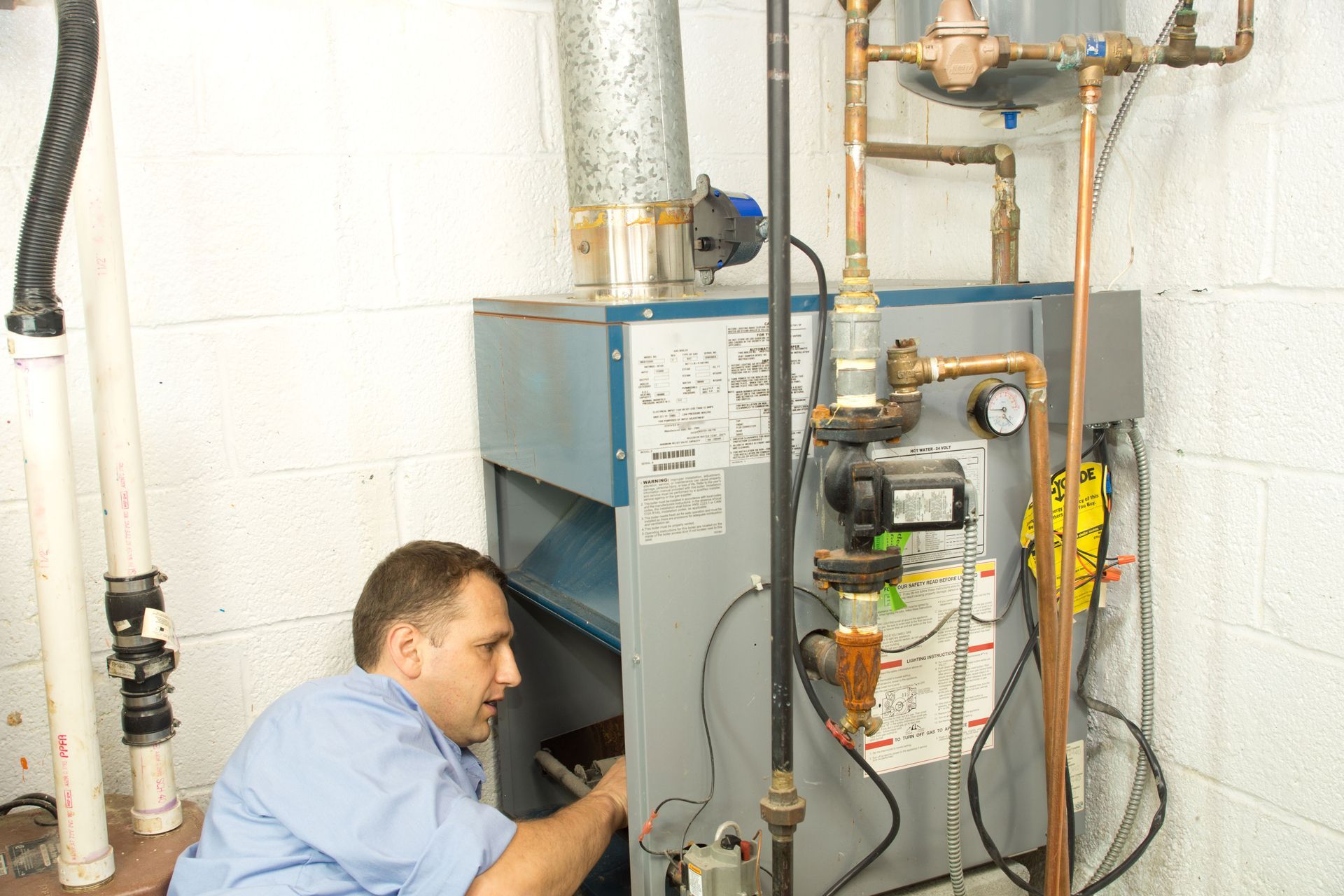
Older systems can become less efficient over time, especially if they were installed many years ago or were not sized correctly for the home. Even when they still function, they may require more energy to produce the same level of comfort as newer models. As technology advances, heating and cooling equipment often becomes more efficient, quieter, and better equipped to manage indoor conditions. Homeowners may eventually reach a point where ongoing repairs and energy waste make replacement worth considering.
HVAC companies can help homeowners evaluate whether an upgrade is practical based on system age, performance history, energy use, and household needs. Instead of replacing equipment too early or holding onto an inefficient unit for too long, homeowners can make a more informed decision with professional input. When a replacement is selected carefully and installed properly, the benefits can include lower utility costs, more reliable comfort, and improved energy performance for years to come.
Adjusting Controls for Smarter Operation
Energy efficiency is not only about the equipment itself. It is also influenced by how the system is controlled from day to day. If thermostats are outdated, set inconsistently, or unable to reflect household routines, the HVAC system may run more often than necessary. Heating or cooling an empty home, maintaining the same temperature all day, or failing to adjust settings by season can all increase energy use without adding meaningful comfort.
Many HVAC companies help homeowners improve this part of the system by recommending better thermostat solutions and more effective temperature strategies. Programmable or smart thermostats can support more consistent scheduling and reduce unnecessary runtime. Technicians can also help homeowners understand how to use those controls in a way that fits the layout of the home and the needs of the household. Smarter operation often leads to better comfort management and more efficient energy use throughout the year.
Addressing Home Conditions That Affect Efficiency
Sometimes the HVAC system is only part of the efficiency problem. A home with poor insulation, drafty windows, air leaks, or insufficient sealing may lose conditioned air faster than the system can deliver it. In that situation, even a well-maintained heating and cooling system may struggle to operate efficiently. Homeowners may assume the equipment is the problem when the larger issue is actually the home’s ability to hold the temperature it is trying to create.
Experienced HVAC companies often recognize these larger patterns and can point homeowners toward issues that affect overall efficiency. While they may not complete every type of home improvement themselves, their observations can help homeowners understand where energy is being lost and why the system may be working harder than expected. That broader perspective can lead to better decisions about insulation, sealing, and system use, all of which support improved performance and lower waste.
Planning Long-Term Efficiency Improvements
Energy efficiency usually improves most when homeowners take a long-term view rather than relying on one quick fix. A single repair or upgrade may help, but lasting results often come from a combination of maintenance, airflow improvements, equipment decisions, and better day-to-day operation. Homes change over time, and heating and cooling systems need to keep up with those changes. A plan that works well now may also need updates later as the household grows, the property changes, or the equipment ages.
HVAC companies can support long-term planning by helping homeowners prioritize improvements based on condition, urgency, and likely impact. Instead of guessing where to start, homeowners can make step-by-step decisions that improve efficiency over time. This may involve starting with maintenance, moving to airflow corrections, and later planning for equipment replacement when the timing is right. A more thoughtful approach can make energy improvements feel more manageable and more worthwhile in the long run.
Improving energy efficiency often starts with a better understanding of how a heating and cooling system performs and what factors are limiting that performance. From system evaluations and airflow adjustments to maintenance, equipment upgrades, and smarter controls, there are many ways HVAC companies can help homeowners reduce waste and improve comfort. With the right guidance, even modest changes can support stronger performance and more manageable operating costs over time. If you are ready to improve your home’s energy efficiency, contact Pence Heating and Cooling today.