April 8, 2026
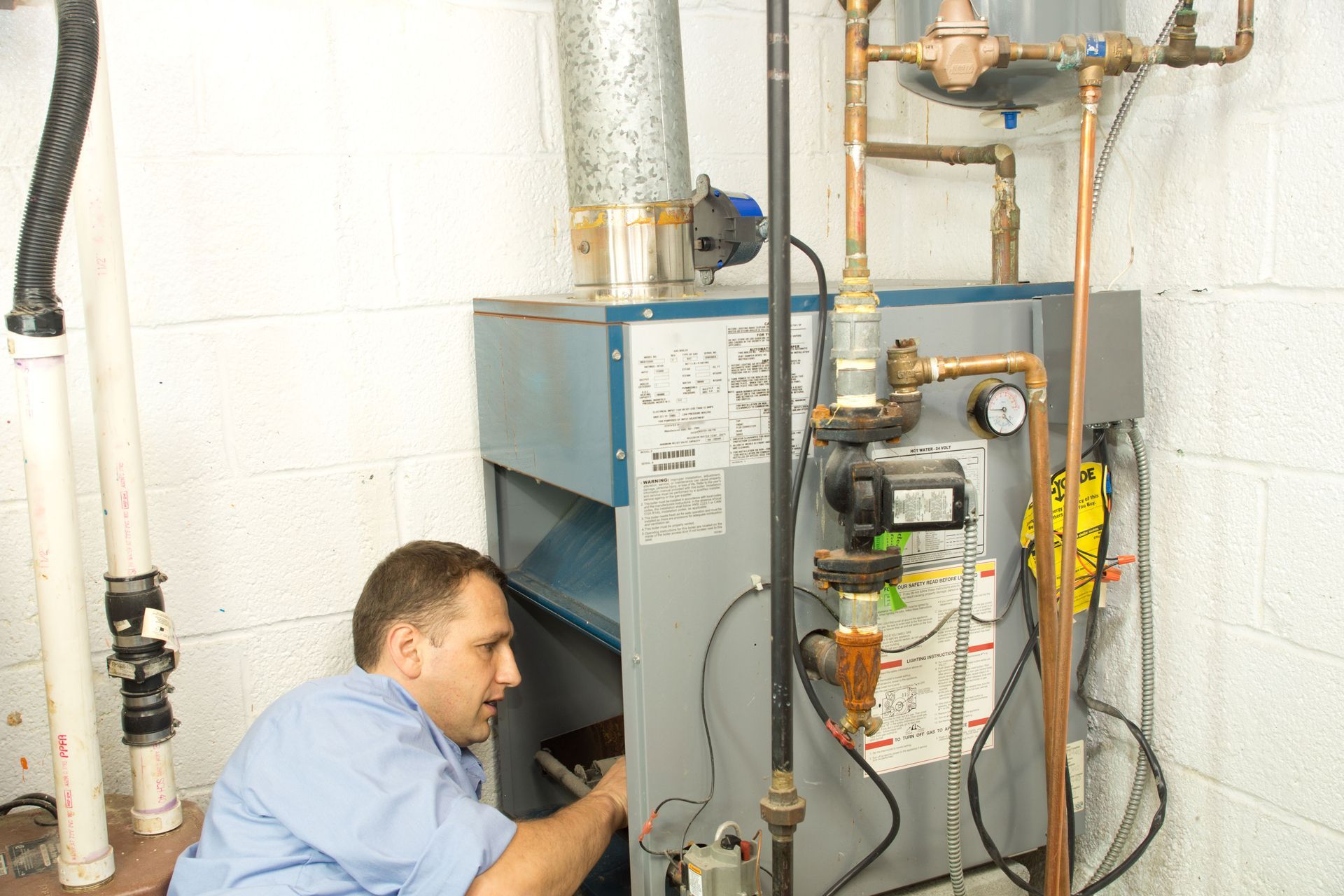
As the winter months approach, the importance of a well-functioning furnace becomes increasingly clear. Furnaces play a vital role in maintaining indoor comfort, safety, and energy efficiency. Addressing furnace repairs in a timely manner helps prevent system strain, unexpected breakdowns, and rising energy costs. With proper care and attention, homeowners can support consistent heating performance while extending the lifespan of their equipment.
The Causes of Furnace Problems
Noisy Operation
Unusual sounds coming from a furnace often signal underlying issues. Banging or popping noises may point to duct expansion, while whistling can indicate restricted airflow. Rattling sounds may suggest loose components, and ignoring these signs can lead to more significant problems over time.
Uneven Heating
Inconsistent temperatures throughout the home can indicate airflow issues, blocked vents, or a system that is not operating efficiently. Uneven heating can lead to discomfort and increased energy use as the system works harder to compensate. Regular inspection and maintenance can help identify the source of the problem and improve overall heat distribution.
Frequent Cycling
When a furnace turns on and off more often than usual, it may be experiencing issues such as restricted airflow, thermostat inconsistencies, or internal component strain. Frequent cycling can increase energy consumption and accelerate system wear. Identifying the cause early helps maintain efficiency and reduces unnecessary stress on the equipment.
High Energy Bills
A sudden increase in energy costs may indicate that a furnace is not operating efficiently. Factors such as clogged filters, aging components, or general wear can contribute to reduced performance. Addressing these issues through timely furnace repairs can help restore efficiency and keep energy use within a more manageable range.
The Steps of Furnace Troubleshooting
Checking the Thermostat Settings
Confirming that the thermostat is set correctly is a simple first step in troubleshooting. Make sure it is set to "heat" mode and that the temperature is higher than the current room temperature. Replacing batteries, if applicable, can also resolve common issues and restore proper communication.
Inspecting the Air Filter
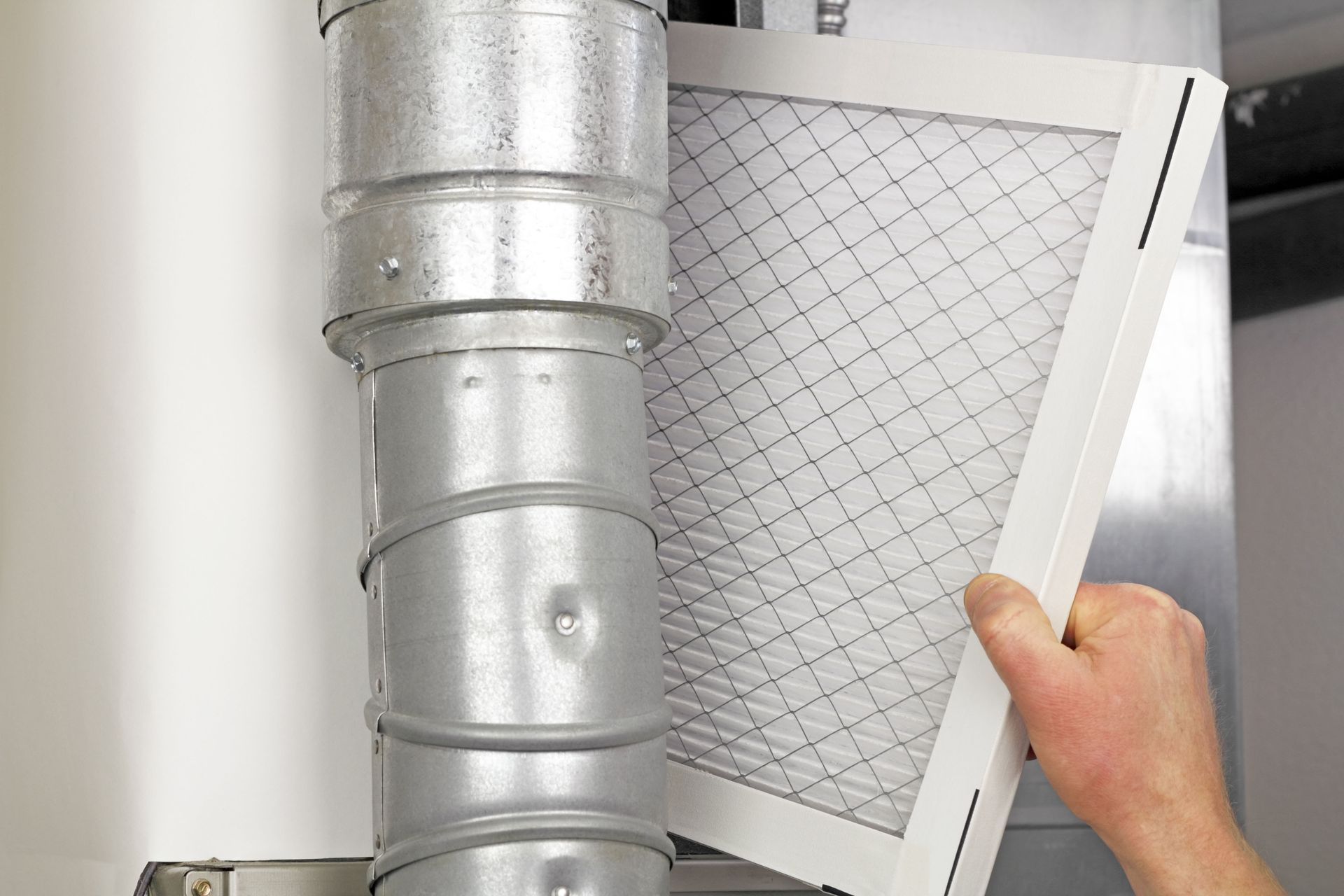
A clean air filter supports proper airflow and system efficiency. Over time, filters can become clogged with dust and debris, restricting airflow and forcing the furnace to work harder. Regularly checking and replacing filters helps maintain consistent performance and indoor air quality.
Ensuring Proper Air Flow
Keeping vents and registers clear of obstructions allows air to circulate freely throughout the home. Furniture, rugs, or debris blocking vents can limit airflow and reduce heating efficiency. Ensuring open pathways for air helps the system operate more effectively and maintain balanced temperatures.
Circuit Breaker and Power Supply Checks
If a furnace is not operating, checking the circuit breaker and power supply may help identify the issue. A tripped breaker or disconnected power source can prevent the system from functioning. Verifying these basic elements can sometimes resolve the problem quickly and safely.
Pilot Light or Ignition System Inspection
For systems with a pilot light, confirming that it is lit and stable is essential. For newer systems, ensuring the ignition components are functioning properly supports dependable operation. If issues persist, professional service may be needed to safely restore function.
The Signs of Professional Repair Needs
Unresolved Noises or Smells
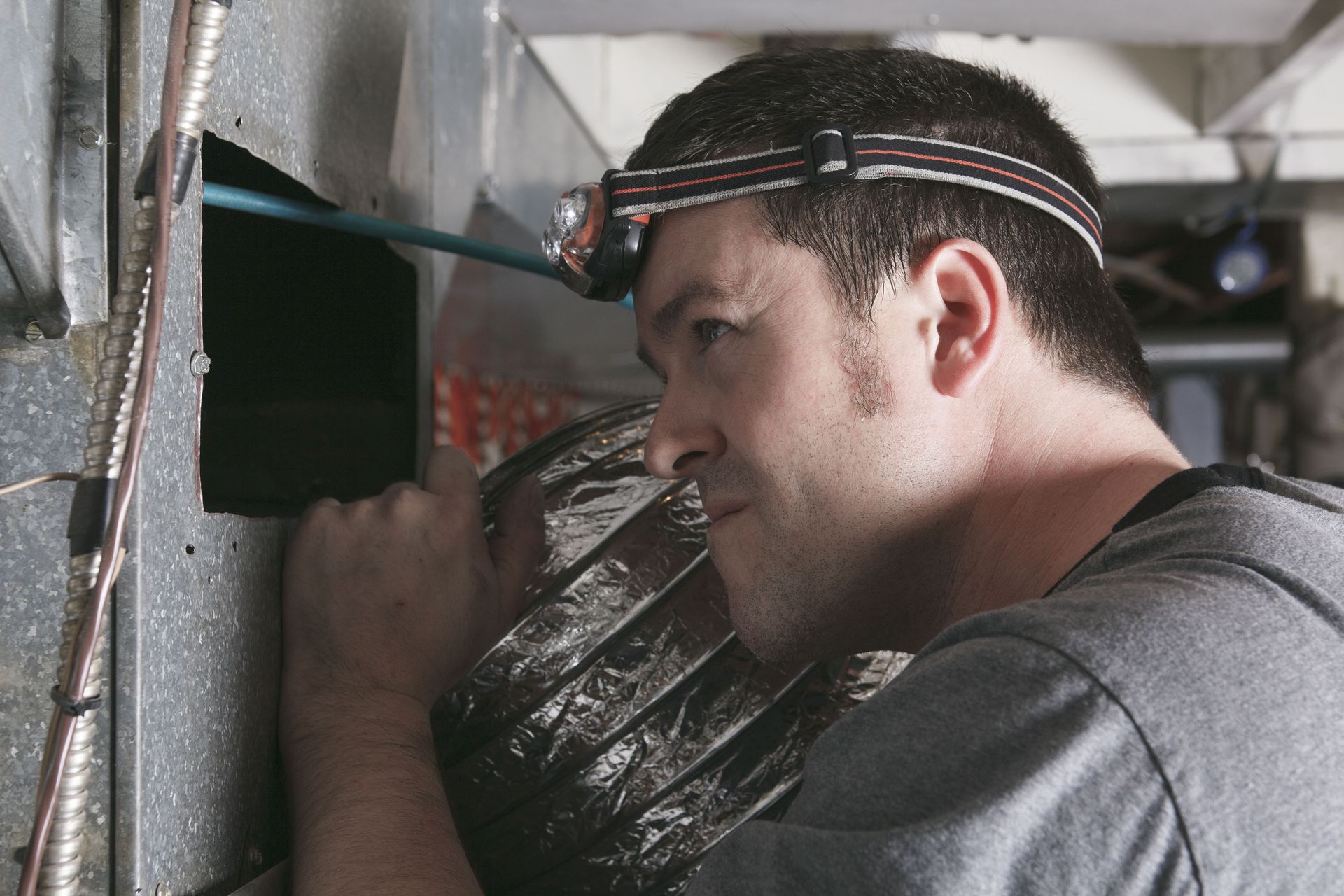
Persistent or unusual sounds, as well as unfamiliar odors, may indicate more serious issues within the furnace. These situations often require professional evaluation to identify and address the root cause safely and effectively. Prompt attention can help prevent further system damage and maintain safe operation.
Persistent Thermostat Problems
If thermostat issues continue after basic troubleshooting, professional assessment can help determine whether adjustments or component repairs are needed. This ensures proper communication between the thermostat and the furnace. Addressing these concerns supports consistent indoor comfort and system efficiency.
Complex Electrical Issues
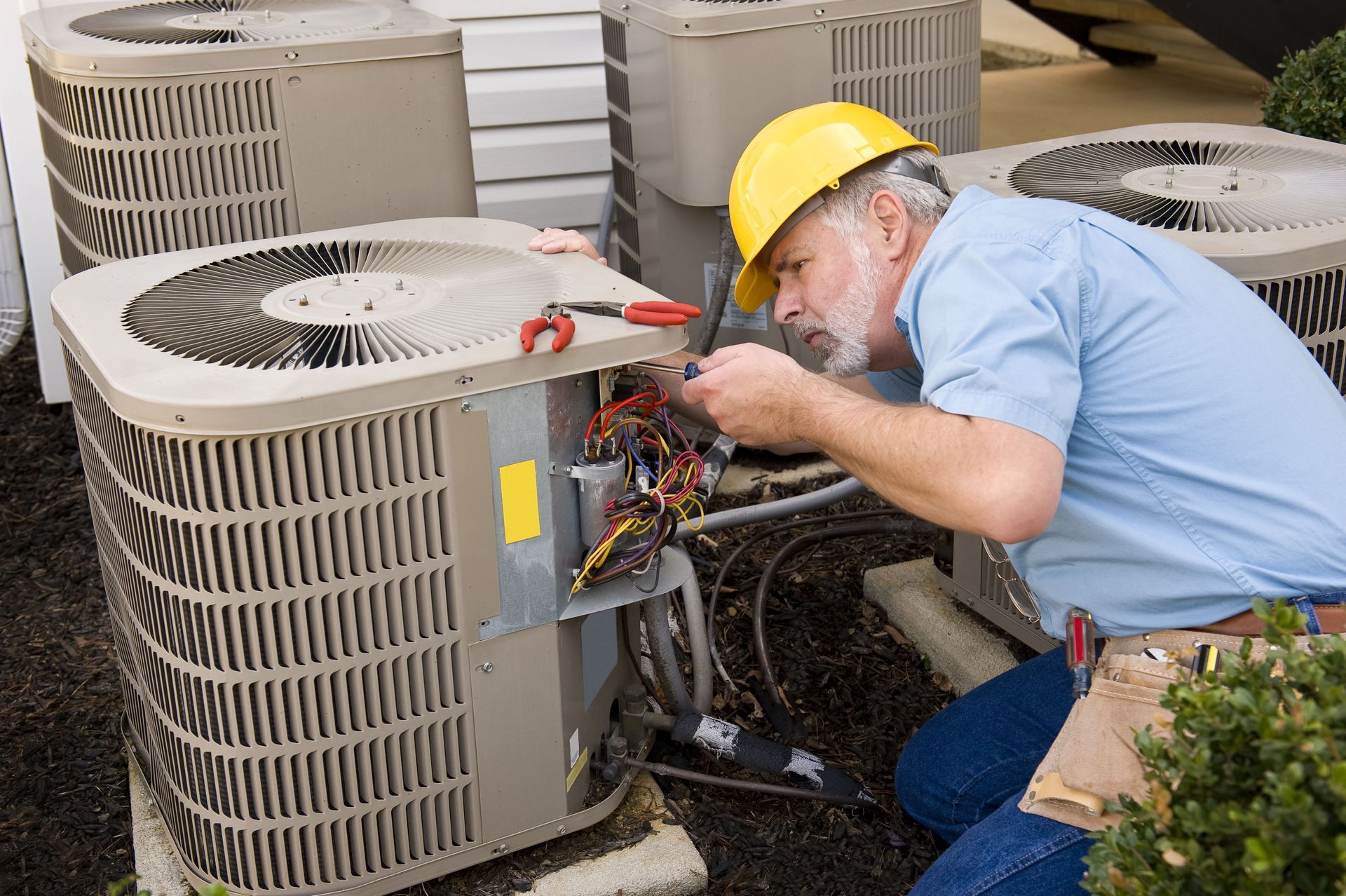
Electrical concerns such as frequent breaker trips or inconsistent operation should be handled by trained technicians. Proper diagnosis and repair help ensure the system operates safely and efficiently. Attempting to resolve these issues without proper knowledge may lead to additional complications.
System Age and Wear
As furnaces age, components naturally wear down, which can affect performance and efficiency. Frequent furnace repairs or reduced effectiveness may indicate the need for a professional evaluation. Determining whether repair or replacement is appropriate can help maintain long-term efficiency.
The Factors of Choosing Furnace Repair Services
Experience with Heating Systems
Working with professionals who have experience handling a range of heating systems can help ensure accurate diagnostics and effective repairs. Familiarity with different system types allows for more efficient problem-solving. This experience contributes to more consistent and better outcomes.
Evaluating Customer Feedback
Overall, customer feedback can provide insight into the consistency of a service provider. Looking at overall experiences can help homeowners make informed decisions when selecting a repair service. Reviewing feedback offers a clearer picture of service quality and responsiveness.
Clear Communication
Understanding the scope of a repair service helps ensure alignment between the homeowner and the technician. Clear communication about the work being performed supports a smoother service experience. This approach helps minimize confusion and ensures expectations are met.
Safety Considerations
Following proper safety practices during furnace repair is essential. Working with professionals who prioritize safe procedures helps ensure that repairs are completed correctly. This attention to safety supports efficient system operation and reduces potential risks.
Availability of Maintenance Plans
Ongoing maintenance can help support long-term system performance. Regular inspections and tune-ups allow potential issues to be identified early and addressed before they escalate. Consistent service helps reduce the likelihood of unexpected furnace repairs.
The Methods of Maximizing Efficiency
Regular Maintenance Scheduling
Establishing a routine maintenance schedule helps keep a furnace operating at peak performance. Regular inspections can identify small issues before they develop into more significant concerns. This proactive approach helps reduce the need for frequent furnace repairs.
Improving Temperature Control
Maintaining consistent temperature control supports overall comfort and efficiency. Ensuring that the thermostat is functioning properly allows the system to operate as intended without unnecessary strain. Proper control also contributes to more balanced heating throughout the home.
Enhancing Home Insulation
Proper insulation helps retain heat, reducing the workload on the furnace. Sealing gaps and improving insulation can contribute to more consistent indoor temperatures and improved efficiency. These improvements support better overall system performance.
Supporting Even Heat Distribution
Balanced airflow throughout the home helps maintain consistent heating. Keeping vents clear and ensuring proper circulation allows the system to distribute heat more effectively. This helps reduce strain on the furnace and improves comfort levels.
The Options of Heating System Improvements
High-Efficiency Furnaces
Upgrading to a high-efficiency furnace can improve heating performance while reducing overall energy consumption. According to Today's Homeowner, standard furnaces fall around or above 80%, but furnaces with 90% or more AFUE ratings can earn an ENERGY STAR rating. Modern systems are designed to operate more effectively, providing consistent comfort throughout the home.
Upgrading to Modern Heating Systems
Replacing an older furnace with a newer model can enhance efficiency. Evaluating available options with a professional can help determine the most suitable system based on the home's specific needs. This approach supports better long-term performance and energy use.
Maintaining System Performance
Consistent upkeep plays a key role in maintaining system performance. Routine service helps ensure that components continue to function properly and that the system remains dependable over time. This reduces the likelihood of unexpected breakdowns.
Maintaining a dependable furnace involves timely furnace repairs, regular upkeep, and thoughtful decision-making. Addressing issues early helps support steady performance, improved efficiency, and consistent indoor comfort throughout the colder months. Professional service can provide the insight needed to keep systems operating properly and determine when updates may be worthwhile. To learn more about dependable heating solutions and ongoing support, connect with Pence Heating and Cooling.